August 15, 2026
How to Choose the Right Kenya Safari for You
Plan the right Kenya safari by choosing your route, pace, comfort level, season, and travel style with honest local guidance.
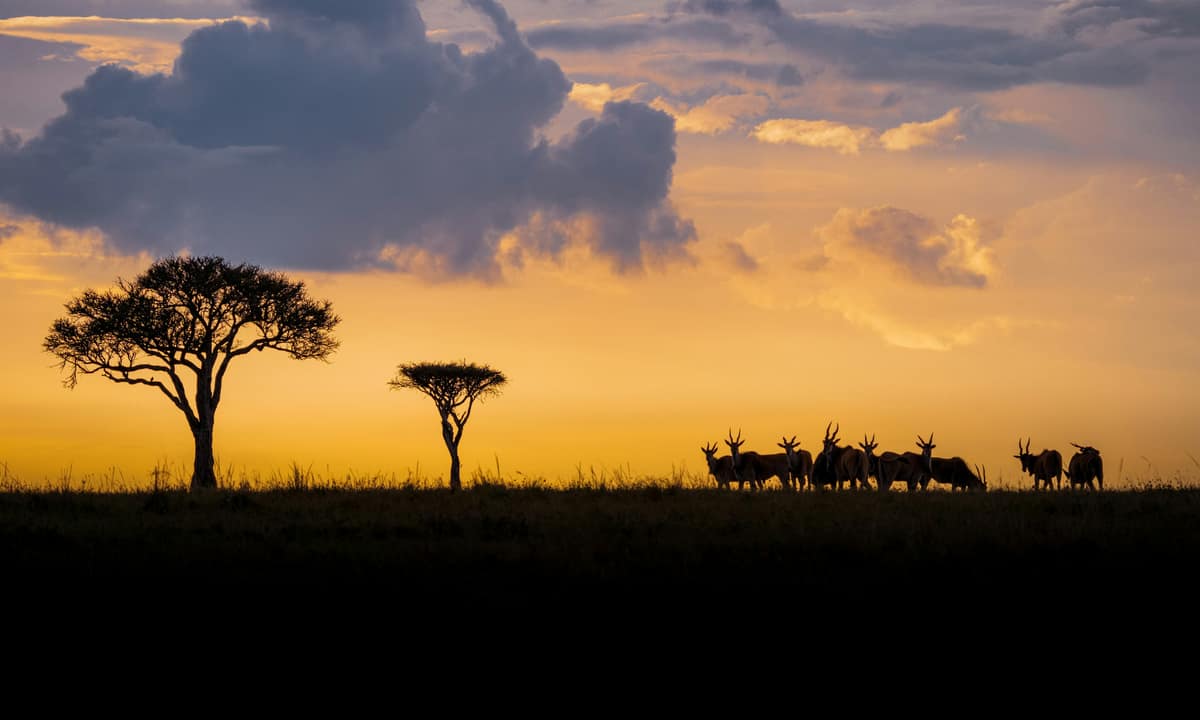
A Kenya safari should be shaped around how you want to travel, not just a list of famous parks. For a first-time safari in Kenya, the right choice depends on your season, pace, budget, group style, comfort level, and what you hope the trip will feel like. Some travelers want dramatic wildlife days in the Maasai Mara, while others want quieter landscapes, family-friendly lodges, a slower private route, or a safari-and-beach ending in Diani. A good Kenya safari itinerary balances distance, game viewing, rest, and the kind of memories you want to carry home. At Amara Trails, we help you choose clearly and honestly, so your safari feels personal rather than rushed or copied from someone else’s trip.
Quick answer: what is the best safari in Kenya?
The best safari in Kenya is the one that fits your travel style. If wildlife is your top priority, the Maasai Mara is often a strong choice, especially when paired with the right season and guide. If you want elephants and open views, Amboseli may suit you better. If you prefer a quieter, more varied private Kenya safari, Samburu, Laikipia, Tsavo, or Lake Nakuru can add depth and contrast. The right tailor-made Kenya safari should match your dates, budget, comfort level, pace, and the feeling you want from Kenya: adventure, peace, wonder, connection, or a little of everything.
Start with what you want to feel
Before choosing destinations, ask yourself what kind of safari experience you are hoping for.
Do you want the excitement of long game drives and big wildlife moments? Do you want quiet mornings, beautiful landscapes, and time to absorb the place? Are you traveling with children who need shorter drives and flexible days? Are you celebrating a honeymoon and looking for privacy and atmosphere? Or are you trying to keep the budget sensible without losing the heart of the safari?
This question matters because two people can visit the same destination and need completely different plans. A wildlife-first traveler may happily spend full days in the Maasai Mara. A family may prefer fewer lodge changes and more breathing room. A slow traveler may enjoy Laikipia or Samburu because the experience is not only about ticking off animals, but also about landscape, culture, silence, and rhythm.
There is no single “best safari in Kenya” for everyone. The best choice depends on the route that serves you.
Choose the right safari pace
One of the biggest mistakes first-time travelers make is trying to see too much in too few days. Kenya is beautiful, but distances can be long, roads can be tiring, and every lodge change takes energy.
For a short Kenya safari of 3 to 4 nights, it is usually better to focus on one strong area rather than rush between several parks. The Maasai Mara works well for wildlife-focused travelers. Amboseli can be excellent for travelers who want iconic views, elephants, and a clear sense of place.
For 6 to 8 nights, you can create a more balanced Kenya safari itinerary. Nairobi can be used as a gentle arrival point before continuing to the Maasai Mara, Amboseli, Samburu, Laikipia, Lake Nakuru, or Tsavo depending on your interests.
For 9 nights or more, a tailor-made Kenya safari can become more layered. You can combine classic wildlife areas with quieter regions, then end with the coast at Diani if you want rest after early mornings and dusty roads.
A good safari should not feel like a race. Sometimes the wisest advice is to do less, but experience it better.
Match the destination to your travel style
Wildlife-first travelers
If your main goal is wildlife viewing, the Maasai Mara is often the natural starting point. It offers wide plains, strong predator sightings, and a classic safari feel. It is especially useful for travelers who may only visit Kenya once and want a focused wildlife experience.
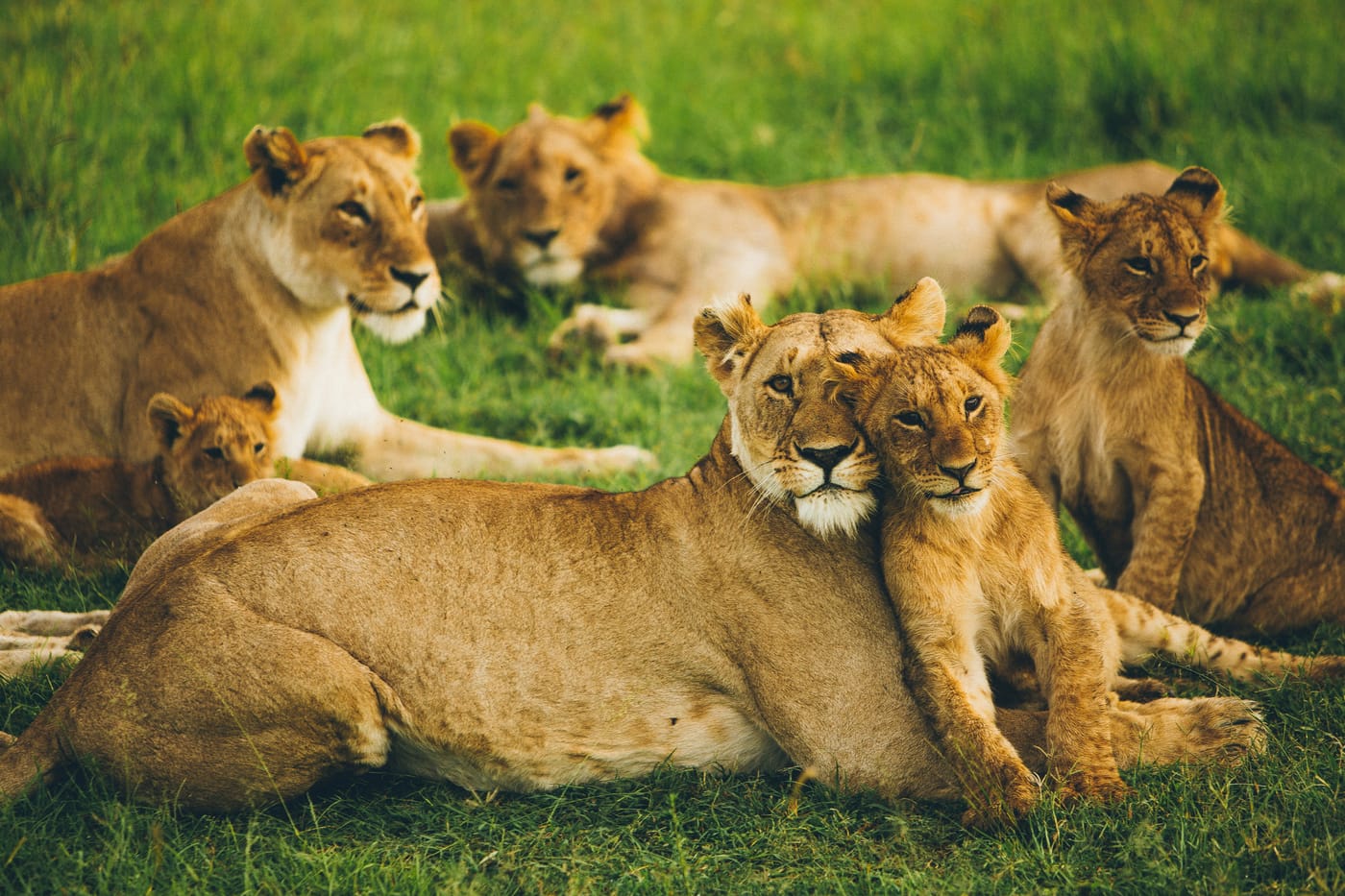
A wildlife-first route might include Maasai Mara with Lake Nakuru or Laikipia, depending on time and budget. Lake Nakuru can add variety, especially for travelers interested in birdlife and different scenery.
Families
For families, the right safari is not always the most intense safari. Children often enjoy wildlife, but they also need rest, food they can manage, and days that do not feel too long.
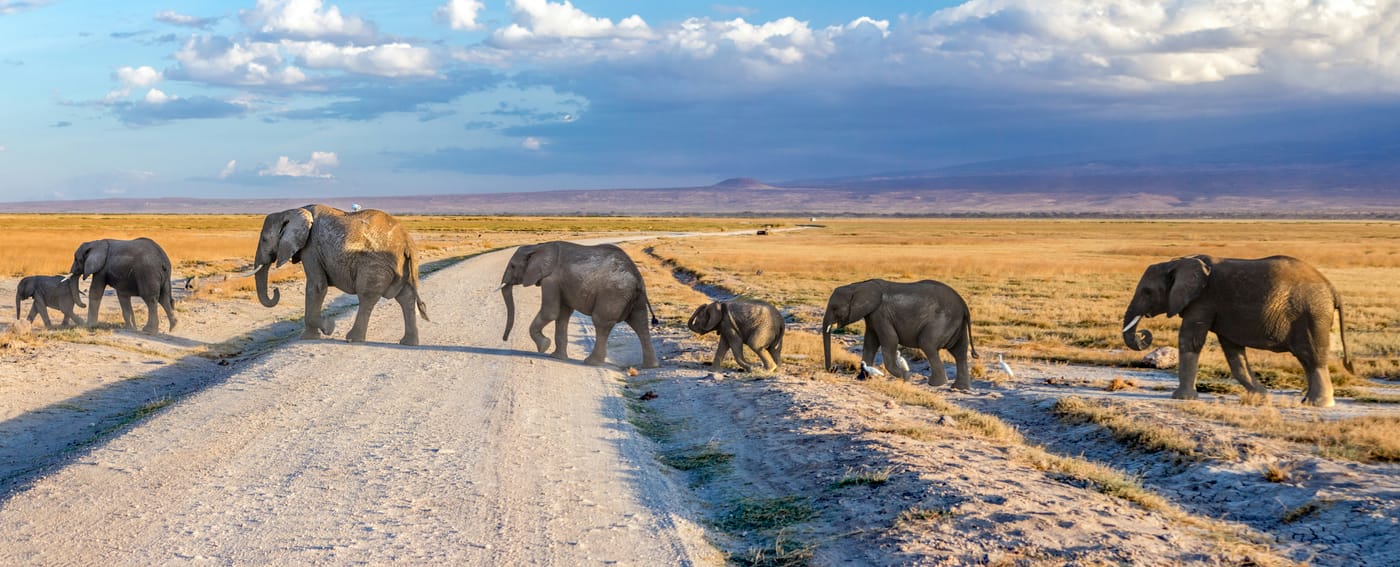
A family-friendly private Kenya safari may include Nairobi for arrival, then Amboseli or the Maasai Mara with carefully paced drives. Private transport can make a big difference because you are not tied to another group’s schedule. The ability to pause, return early, or adjust the day is often more valuable than adding another destination.
Honeymoon travelers
For honeymooners, the route should allow privacy, beauty, and unhurried moments. The Maasai Mara can be wonderful, but so can Laikipia or Samburu for couples who want something quieter and less expected.
A safari-and-beach plan can also work well: several nights on safari followed by Diani for the coast. This gives the trip contrast: early mornings, open skies, and wildlife first, then ocean, rest, and slow days.
Comfort-focused travelers
Comfort-focused does not have to mean flashy. It means choosing the right level of lodge, vehicle, flight option, and pace so the journey feels smooth.
Some travelers are happy with long road transfers and simple camps. Others prefer flying between key areas to save time and reduce fatigue. A comfort-focused Kenya safari itinerary may include fewer destinations, better lodge placement, and more private guiding.
The goal is not to impress anyone. The goal is to travel in a way that lets you enjoy where you are.
Budget-conscious travelers
A budget-conscious safari is very possible, but it needs honest planning. The biggest cost factors are season, park fees, lodge level, transport style, and whether you fly or drive.
A sensible budget route may focus on fewer destinations, avoid unnecessary one-night stops, and choose good-value camps rather than chasing famous names. Tsavo can sometimes be useful in certain itineraries, especially for travelers combining safari with the coast, but the route must make practical sense.
The cheapest safari is not always the best value. A poorly paced itinerary can cost less on paper but feel exhausting on the ground.
Slow travel travelers
Slow travel suits guests who want to feel Kenya deeply rather than rush through it. Laikipia, Samburu, and parts of Tsavo can be rewarding for this style because they offer space, landscape, and a different rhythm from the busiest safari circuits.
A slow travel safari might include longer stays in fewer places, time at the lodge during the heat of the day, and game drives that are less about pressure and more about observation.
This style is especially good for photographers, reflective travelers, repeat visitors, and anyone who wants to leave with more than a checklist.
Safari-and-beach travelers
If you want both wildlife and the coast, plan the safari first and the beach second. Safari days often start early and involve movement, dust, and excitement. Diani works well as a calm ending after the journey.
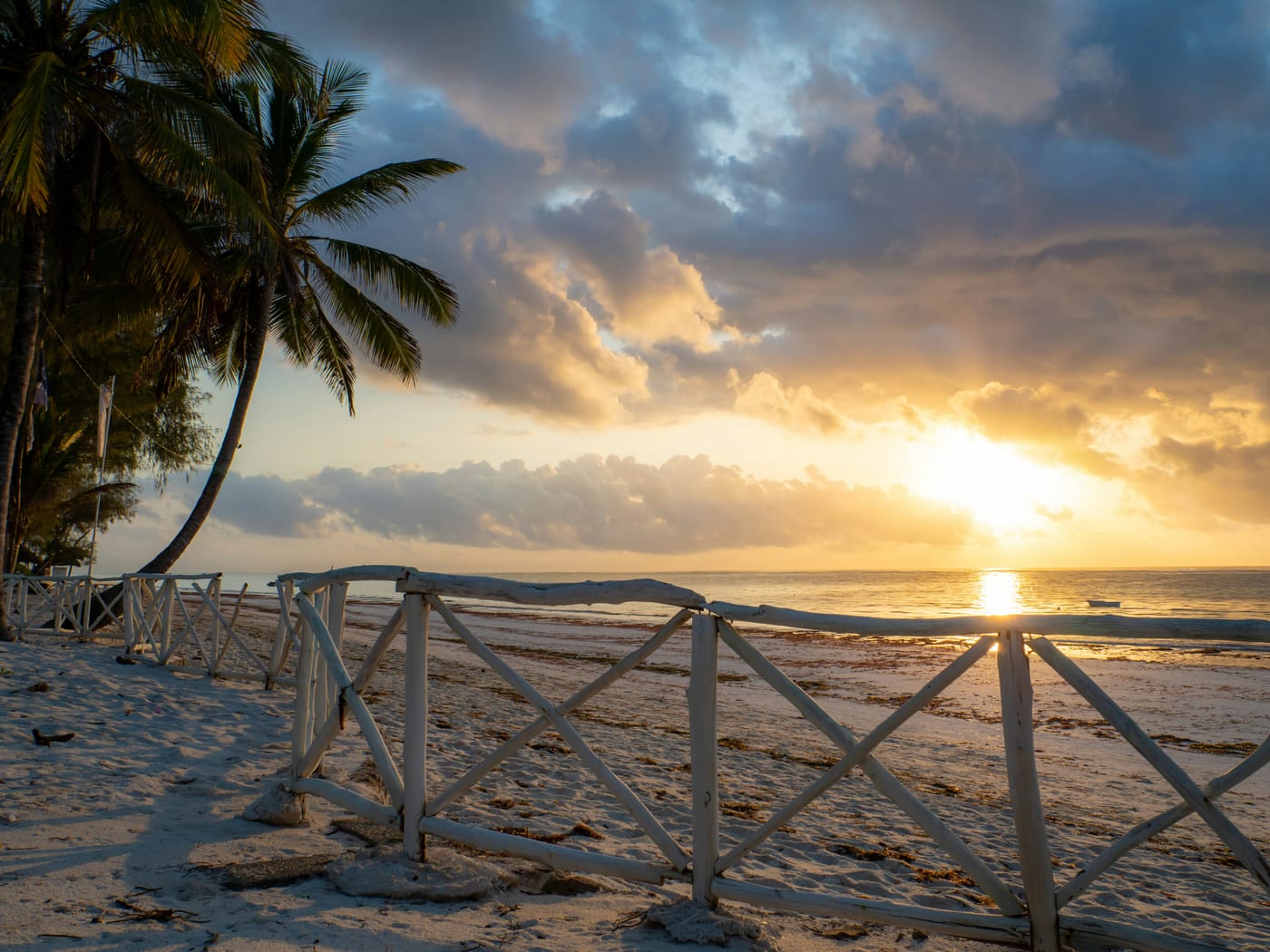
A safari-and-beach route may include Maasai Mara and then Diani by air, or Tsavo and Diani if the geography and budget fit. The key is not to add the beach as an afterthought. It should be part of the rhythm of the full trip.
Think carefully about season
Season affects price, availability, landscapes, and wildlife movement. It can also affect how busy certain areas feel. The right season for you depends on whether you care most about budget, fewer crowds, photography, migration timing, green landscapes, or school holiday travel.
This is where honest advice matters. A famous month is not always the right month for your group. Some travelers are happier with quieter shoulder periods. Others want peak wildlife drama and are comfortable with higher prices and more demand.
When planning your first-time safari in Kenya, share your real dates early. A good planner can explain what those dates mean instead of forcing a standard route.
Decide between private and shared safari styles
A private Kenya safari gives you more control. You can choose your start times, adjust the pace, ask questions freely, and shape the day around your interests. This is especially helpful for families, photographers, honeymooners, older travelers, and first-time guests who want guidance without feeling rushed.
Shared safaris can reduce cost, but they come with less flexibility. You may need to follow fixed timings, fixed routes, and other travelers’ priorities. That can work for some people, but it is not ideal for everyone.
At Amara Trails, we focus on private, tailor-made Kenya safari planning because the small details matter: how early you want to wake up, how many hours you enjoy in a vehicle, how much comfort you need, and what kind of guide will help you feel at ease.
Build the route around Nairobi, not against it
Many Kenya safari itineraries begin or end in Nairobi. Rather than treating Nairobi as only a transit point, use it wisely. Depending on your flight time, Nairobi can give you a soft landing before the safari begins, especially after a long international journey.
If you arrive late, it may be better to sleep in Nairobi and start fresh the next morning. If you arrive early, you may be able to continue onward the same day, but that depends on your energy, transport plan, and destination.
A well-planned safari does not only ask, “Where do you want to go?” It also asks, “How will you feel when you arrive?”
Comfort level: simple, mid-range, or higher-end?
Comfort on safari includes more than the lodge room. It includes the vehicle, guide quality, transfer time, food, bathroom comfort, bed quality, camp atmosphere, and how supported you feel.
Simple camps can be warm, friendly, and memorable. Mid-range lodges can offer a good balance of comfort and value. Higher-end camps can provide more privacy, location advantages, and smoother logistics.
The important thing is honesty. If you are used to comfort, say so. If you would rather spend more on location than room style, say that too. If you are budget-conscious but still want a clean, safe, well-guided experience, that is a real and valid priority.
FAQ: choosing the right Kenya safari
How many days do I need for a Kenya safari?
For a first safari, 5 to 8 days is a comfortable range. Shorter trips can work if focused on one area, while longer trips allow more variety and a slower pace.
What is the best safari in Kenya for first-time travelers?
The Maasai Mara is a strong first-time choice for wildlife, but Amboseli, Samburu, Laikipia, Lake Nakuru, and Tsavo may suit you better depending on season, budget, pace, and interests.
Is a private Kenya safari worth it?
A private safari is worth it if you value flexibility, personal guidance, and control over your daily rhythm. It is especially helpful for families, honeymooners, photographers, and first-time travelers.
Should I combine a Kenya safari with Diani beach?
Yes, if you want rest after the safari. It usually works best to do the safari first, then end at Diani so the trip finishes slowly and comfortably.
Can Amara Trails help me choose the route?
Yes. Amara Trails can help shape a tailor-made Kenya safari based on your dates, budget, comfort level, pace, group style, and what you want the journey to feel like.
Plan the safari that fits you
Choosing the right Kenya safari is not about copying the most popular route. It is about understanding your season, your pace, your group, your budget, and your reason for coming. Some travelers want the drama of the Maasai Mara. Others want elephants in Amboseli, open space in Laikipia, rugged beauty in Samburu or Tsavo, a gentle stop at Lake Nakuru, a soft arrival in Nairobi, or a peaceful ending in Diani.
The best safari is the one that feels right when you are actually there.
Tell us your dates, pace, and what you hope Kenya will feel like. We’ll help shape the right route.
Begin with a conversation
Ready to see it in person?
Let's plan your safari with dates, pacing, and places shaped around you.
Plan your safari